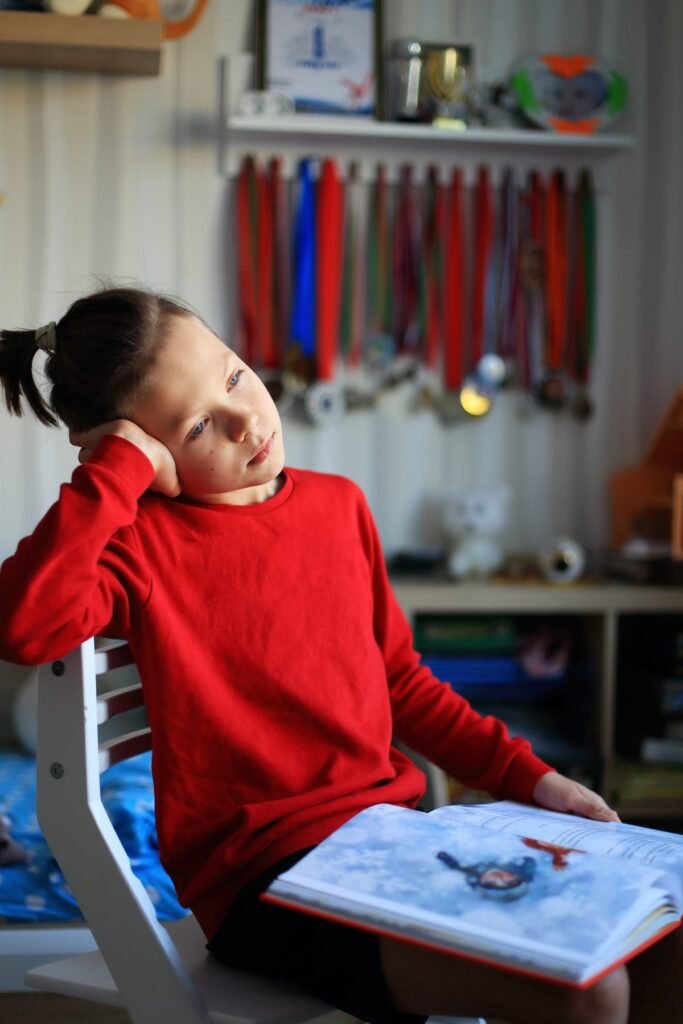
Back to school anxiety can show up as worry, frustration, avoidance, or physical complaints.
Back to School Anxiety Is More Common Than Many Parents Realize
A new school year can bring excitement, but it can also bring uncertainty. Children may worry about a new teacher, unfamiliar classmates, heavier academic expectations, changing routines, bullying, social pressure, or being away from home. For some children, the worries begin weeks before the first day. For others, anxiety becomes visible only when school starts.
Occasional nervousness is a normal response to change. Anxiety becomes more concerning when it is intense, continues over time, or interferes with a child’s ability to attend school, learn, sleep, socialize, or manage everyday activities. SickKids notes that anxiety can be a normal part of life, but it may require professional attention when it persists and disrupts daily functioning.
Parents looking for school anxiety counselling in Toronto and surrounding communities are often unsure whether their child is experiencing a difficult adjustment or something more persistent. The goal is not to label every worried child. It is to notice patterns early, respond with empathy, and provide the right level of support.
What Back to School Anxiety Can Look Like
Children do not always say, “I feel anxious.” Their worry may appear through their body, behaviour, mood, or school habits.
- Frequent stomach aches, headaches, nausea, or feeling unwell before school
- Difficulty falling asleep, waking during the night, or asking to sleep near a parent
- Crying, irritability, anger, or emotional outbursts on school mornings
- Repeated requests to stay home, arrive late, or leave school early
- Worry about making mistakes, being judged, getting poor marks, or disappointing others
- Avoidance of classmates, group work, presentations, gym class, or extracurricular activities
- Perfectionism, procrastination, or becoming overwhelmed by homework
- Changes in appetite, energy, concentration, or motivation
- Constant reassurance seeking about teachers, schedules, safety, or social situations
Why School Transitions Can Feel So Difficult
School brings together many demands at once. A child may be expected to separate from caregivers, follow a busy schedule, concentrate for long periods, manage friendships, tolerate uncertainty, complete work, and recover from mistakes in front of others. Even a capable student with strong marks may experience significant anxiety.
The start of a new year can be particularly challenging for children who have experienced bullying, learning difficulties, family changes, grief, racism, discrimination, sensory sensitivities, ADHD, Autism Spectrum Disorder, or previous negative school experiences. Culturally responsive counselling makes room for the child’s full experience instead of treating every school concern as an individual weakness.
Seven Ways Parents Can Help Before and During the School Year
1. Listen before trying to solve the problem
Begin with calm curiosity. Try questions such as, “What part of school feels hardest right now?” or “What do you imagine might happen?” Reflect what you hear before offering advice. A child is more likely to accept help when they feel understood.
2. Validate the feeling without confirming the fear
You can say, “It makes sense that a new classroom feels uncertain,” without agreeing that something terrible will happen. Validation tells the child that their feelings are real. It does not mean that avoidance is the only solution.
3. Rebuild the routine gradually
Move bedtime, wake time, meals, screen use, and morning preparation toward the school schedule before classes begin. Predictable routines reduce the number of decisions a child must manage when already feeling anxious.
4. Practise the unfamiliar parts
Walk or drive the school route, visit the school grounds, review the timetable, practise opening a locker, or role play how to ask a teacher for help. Small rehearsals can make an unfamiliar situation feel more manageable.
5. Break the morning into small steps
Instead of focusing on the entire day, help your child focus on the next action: get dressed, eat breakfast, pack the bag, travel to school, enter the building, and connect with a safe adult. Success becomes easier to recognize when the task is specific.
6. Work with the school
Share relevant information with the teacher, guidance counsellor, social worker, special education team, or administrator. Ask what staff are observing and agree on a consistent plan. Support may include a predictable arrival routine, scheduled check ins, a quieter workspace, help with transitions, or a trusted adult the child can approach.
7. Notice and reinforce brave behaviour
Praise effort rather than demanding that anxiety disappear. Statements such as, “You felt worried and still entered the classroom,” help children recognize courage, flexibility, and progress.
What Parents Should Avoid
- Do not shame, tease, or compare your child with siblings or classmates.
- Do not promise that nothing uncomfortable will happen. Focus on the child’s ability to cope and ask for help.
- Do not make every decision during an emotional crisis. Create the plan during a calm moment.
- Do not allow long term avoidance to become the only strategy. Work with the school and a professional on a gradual, supported return when appropriate.
- Do not assume good grades mean the child is emotionally well. Some anxious students perform strongly while experiencing significant distress.
When to Consider School Anxiety Counselling
Consider professional support when anxiety is getting stronger, lasting for several weeks, or interfering with school attendance, learning, sleep, friendships, family life, or activities your child normally enjoys. Counselling may also help when mornings repeatedly become a crisis, physical complaints have no clear medical explanation, or reassurance no longer helps.
How School Anxiety Counselling Can Help
School anxiety counselling gives children and teens a place to understand their worries without judgment. Depending on the child’s age and needs, counselling may help them:
- Recognize thoughts, body sensations, emotions, and triggers connected with school
- Learn calming, grounding, problem solving, and emotional regulation skills
- Challenge unhelpful predictions and build more balanced thinking
- Develop confidence for social situations, presentations, tests, and transitions
- Create a gradual plan for reducing avoidance and increasing participation
- Improve communication with parents, caregivers, and school staff
- Build routines that support sleep, organization, homework, and executive functioning
Parents may also receive coaching so they can respond consistently, reduce unhelpful reassurance cycles, and support progress at home. When appropriate and with consent, the counsellor may collaborate with the school or other care providers.
School Anxiety Counselling Across Toronto and the GTA
Families often search for support close to home or for flexible online options that fit around school and work. Positive Kids provides child and family focused support for concerns related to school anxiety, strong emotions, confidence, executive functioning, and family communication.
Our school anxiety counselling content and services are designed to support families looking for help in Toronto, Mississauga, Brampton, Milton, Oakville, Scarborough, and Etobicoke. The focus is always on the individual child, the family’s goals, and the realities of the school and community environment.
Frequently Asked Questions
Is back to school anxiety normal?
Some worry is common during a transition. Support may be needed when the anxiety is intense, persists, or interferes with attendance, learning, sleep, relationships, or daily routines.
Can a child have school anxiety and still get good grades?
Yes. Academic achievement does not always show how much emotional effort a student is using to cope. Watch for perfectionism, exhaustion, physical symptoms, avoidance, distress at home, and fear of making mistakes.
Should I let my child stay home when they are anxious?
The answer depends on the situation, including illness, safety, bullying, and the intensity of the symptoms. Repeated avoidance can make returning more difficult, so families should work with the school, a healthcare provider, or a counsellor to develop a safe and gradual plan.
How long does counselling take?
There is no single timeline. The length of counselling depends on the child’s symptoms, goals, environment, family involvement, and response to support. A counsellor can recommend a plan after learning more about the child.
Help Your Child Begin the School Year With Support
Back to school anxiety does not mean a child is weak, unmotivated, or unwilling to learn. It may mean that the demands of school currently feel larger than the coping tools available to them. With understanding, structure, collaboration, and counselling when needed, children can build confidence and participate more fully in school life.
If your family is looking for school anxiety counselling in Toronto, Mississauga, Brampton, Milton, Oakville, Scarborough, or Etobicoke, contact Positive Kids to discuss your child’s needs and available support options.
Sources and Further Reading
- SickKids, Anxiety: Overview
- SickKids, Anxiety: Signs and Symptoms
- CAMH, Back to School Resources
- Ontario, Children and Youth Mental Health Signs and Symptoms
- Ontario, Mental Health Services for Children and Youth
Editorial note: This article provides general information and is not a diagnosis or a substitute for individualized medical or mental health care.
When these challenges begin affecting school, friendships, or family life, a child psychologist in Mississauga can help parents understand what their child needs.