Learning profile
Understand the child's strengths, weaknesses, and learning style.
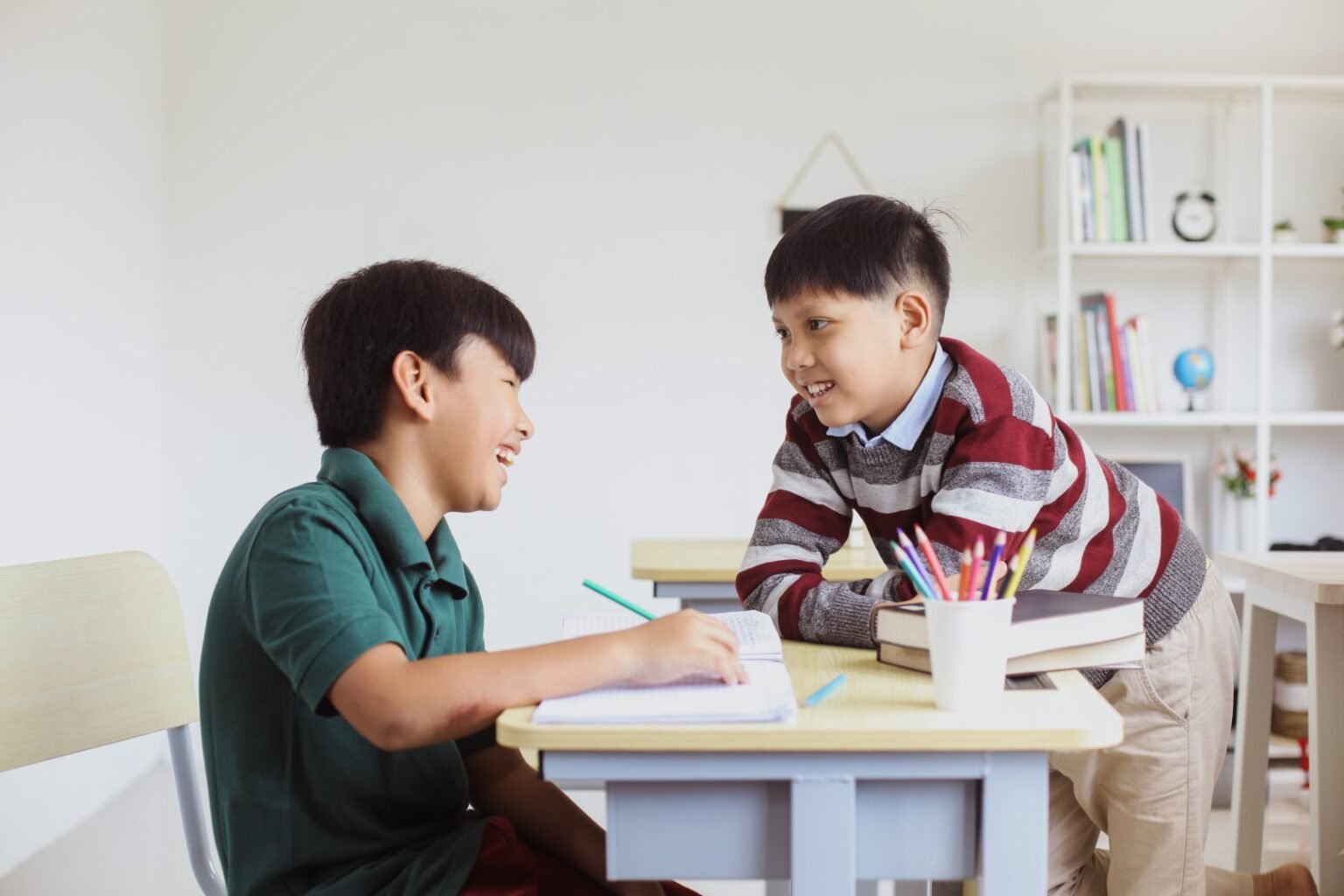
A psychoeducational assessment helps families understand a child's learning profile, identify barriers, and plan the right supports for school, home, and emotional well-being.
Schedule a consultationA psychoeducational assessment helps families understand a child's learning profile, identify barriers, and plan the right supports for school, home, and emotional well-being.
Families should leave with a clearer understanding of what is happening and what kind of support may help.
Understand the child's strengths, weaknesses, and learning style.
Explore reading, writing, math, memory, and processing challenges.
Look at planning, organization, attention, and self-management skills.
Consider how confidence, anxiety, frustration, and regulation affect learning.
Translate results into school and home supports.
Connect assessment results to counselling, coaching, tutoring, or school accommodations.
Before booking, ask intake who will conduct and take professional responsibility for the assessment, their registration and authorized practice areas, the tests and report included, the fee, and the expected timeline. A tutoring or coaching progress report is not the same as a psychological assessment or diagnosis. Verify the proposed psychologist or psychological associate in the Ontario public register, and confirm insurance coverage with your insurer.
Positive Kids has an office near Ellesmere Road and Midland Avenue. Contact intake to confirm the service, clinician and appointment availability.
Positive Kids has an office near Jane Street and Highway 407, serving families in Vaughan, Concord and Woodbridge. Woodbridge families can attend this Vaughan / Concord office. Contact intake to confirm service and appointment availability.