Start with your own goals
Set a direction that matters to you—not a promise to agree with everyone.
View lessons
- Your anger. Your next move.
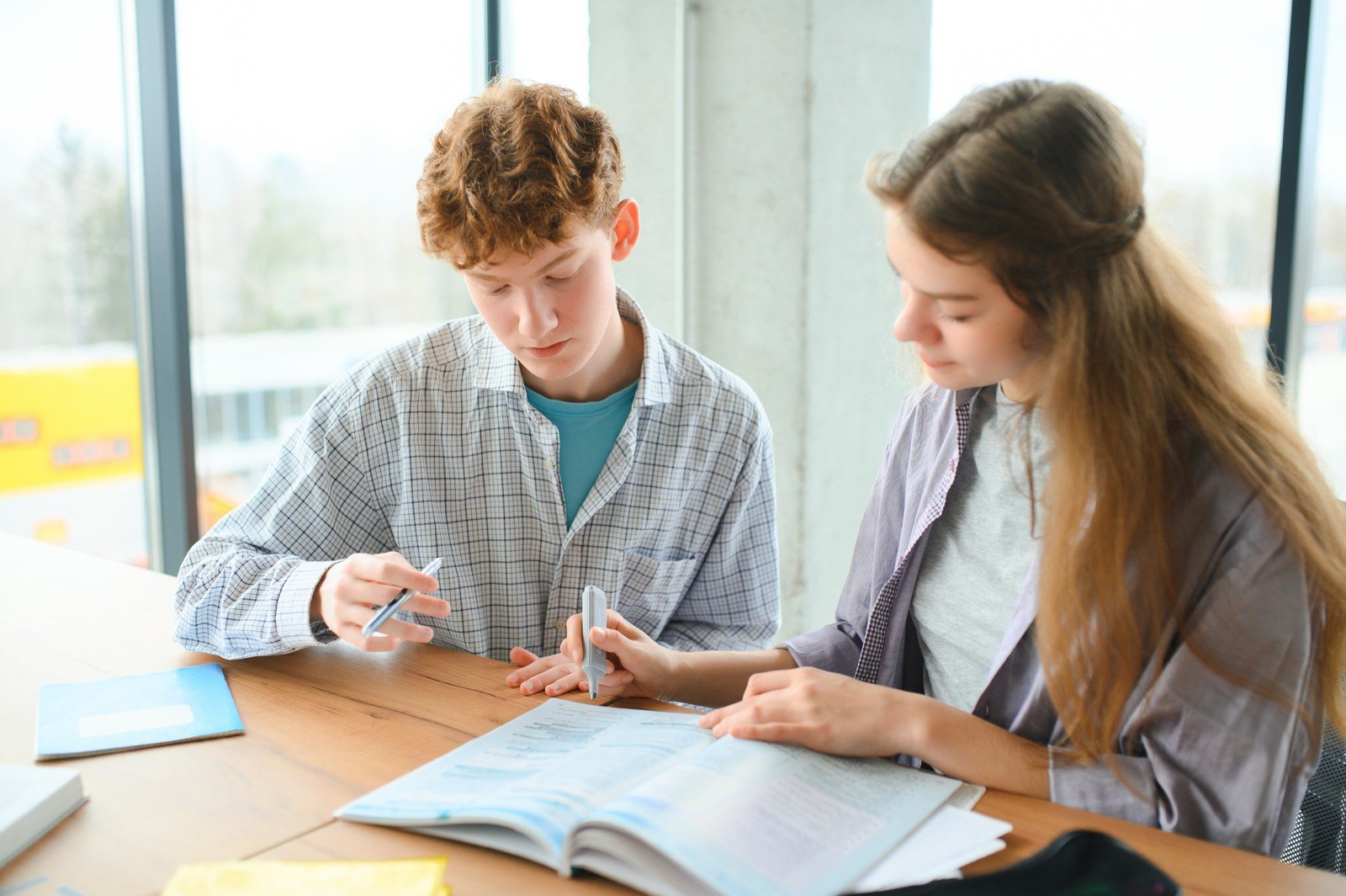
 Teen learning
POSITIVE KIDS / AGES 13–18
ANGER SKILLS FOR REAL LIFE
Your feelings are real.
Your next move matters.
Build practical skills for the pressure of friendships, school, work, relationships and growing independence. Direct language. Realistic decisions. A plan that is yours.
One-time purchase · All 43 lessons and full audio narration included. Already enrolled? Sign in
Own the pause.
Choose what comes next.
MORE CHOICE UNDER PRESSURE
Managing anger does not mean agreeing with everyone or accepting unfair treatment. Learn to notice the rise, protect your boundaries and choose a response you can stand behind.
BUILT AROUND TEEN LIFE
Follow Jordan, 17; Priya, 17; Sam, 16; and Alex, 18 through realistic decisions about online conflict, boundaries, relationships, school, work and independence.
SKILLS THAT TRAVEL WITH YOU
Practise a response, then choose a next move that fits your life.
Stock photography is illustrative. Course characters are fictional.
THE SAME CORE SKILLS / A TEEN PERSPECTIVE
Set a direction that matters to you—not a promise to agree with everyone.
Make sense of anger, needs, stress and the moment before a response.
Notice habits without turning them into a fixed identity.
Read cues, check intensity and plan a response before the peak.
Set boundaries, speak directly and work through disagreement.
Build a practical pause that leads to a safer next step.
Separate facts from assumptions without dismissing harm.
Try comfortable, optional tools that fit real settings.
Move from blame or shame toward action and follow-through.
Create a private, flexible plan and a week of practice.
LISTEN, THEN GO DEEPER
Jessica—the same voice as the kids course—reads the full teaching, teen scenario, practice task, question and answer explanation. Pause, replay a section or adjust the speed.
BEFORE YOU START
Teens aged 13–18, including older teens. Scenarios focus on fictional learners aged 16, 17 and 18 navigating friendships, dating, online life, school, work and independence. Younger teens may benefit from support with some situations.
It follows the same 43 core topics with a dedicated teen design, direct language, 43 new scenarios, new decision checkpoints and private practice prompts. It does not use the children’s age selector, characters or adult-led activities.
Yes. The course speaks directly to the learner and can be used independently, with a trusted support person available. Independence includes knowing when to ask for help, especially with harmful or unsafe situations.
Each lesson has full narration in Jessica’s voice, matching the kids course. It reads the teaching, teen scenario, practice task, question and options. Check your response to hear the suggested answer and reasoning. Pause, replay sections or adjust the speed.
Yes. Use the same Positive Kids email and password. Each course has separate enrolment and saved progress. One purchasing account shares its own course progress; this course does not create separate teen profiles.
CAD $99.99 as a one-time purchase, including all 43 lessons, scenarios, decision checkpoints, full audio narration, saved progress and a printable response-plan lesson.
No. This is self-paced skills education. It does not provide diagnosis, therapy, a court-program certificate or a guarantee of clinical outcomes. If anger causes harm or repeated distress, seek qualified support. In immediate danger, prioritise safety and urgent help.
Positive Kids has an office near Ellesmere Road and Midland Avenue. Contact intake to confirm the service, clinician and appointment availability.
Positive Kids has an office near Jane Street and Highway 407, serving families in Vaughan, Concord and Woodbridge. Woodbridge families can attend this Vaughan / Concord office. Contact intake to confirm service and appointment availability.